What Is Visual Noise? The Surprising Lesson Every Author Should Know About Capturing Attention
11 Mar 2026 14:00
In a world full of distractions, authors have only a few seconds to capture attention. Understanding visual noise may be the key.
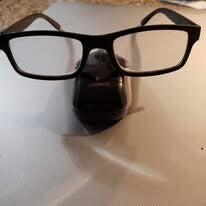
Visual noise refers to images designed to instantly grab attention. Often bold, unusual, or striking, these visuals make people stop and look—even when they had no intention of doing so. In marketing, advertising, and publishing, visual noise is a powerful way to capture interest in a crowded world where audiences are constantly exposed to competing messages.
For authors, visual noise often appears through book covers, promotional graphics, and social media imagery—anything that encourages a potential reader to pause long enough to discover a story.
And we certainly live in a world full of it.
Visual noise is that in-your-face image that demands attention whether you planned to give it or not. Unlike radio or television commercials, where you can lower the volume when advertising becomes too loud, visuals don’t offer that option. They can’t be turned down. At best, they can only be ignored.
But can they really?
The more outrageous, bold, or unusual an image is, the more likely it is to draw your eye. Even if only for a brief moment, you pause, form an opinion, and move on. In that instant, the image has already accomplished its goal.
Visual art—whether film, photography, video, or illustration—often tells a story just as effectively as pages of written words, sometimes even better.
And that raises an interesting challenge for writers. Because writers don’t work with flashing images or bold graphics. They work with words.
So how does someone who relies on words compete in a world dominated by visual noise?
Over the years, many theories have tried to answer that question. Some writers follow the **KISS principle—Keep It Simple, Stupid—**arguing that clear, straightforward writing is easiest for readers to absorb. Others emphasize the hook, believing a powerful headline or opening sentence is the key to capturing attention. There is even something known as the page-number theory, which suggests that if a reader flips to a random page and enjoys what they read, they will assume the rest of the book will be just as good.
Each of these ideas has merit. But in my view, authors really have only three meaningful chances to capture a reader’s attention.
The first is the book cover. Before a reader ever sees a single line of text, the cover is already telling a story. A well-designed cover functions much like visual noise—it stops someone from scrolling online or walking past a shelf in a bookstore. It sparks curiosity and invites a closer look. In today’s crowded publishing marketplace, a strong cover is not optional; it is the first opportunity to make a connection.
If the cover succeeds, the second chance comes through the book blurb. This is where curiosity must turn into genuine interest. A good blurb does not reveal the entire story. Instead, it hints at conflict, raises questions, and encourages the reader to want more. In many ways, it serves the same purpose as a movie trailer—offering just enough to make the audience eager for the full experience.
The final opportunity is the author biography. Readers often want to know something about the person behind the story. A short, engaging biography helps establish credibility while allowing readers to connect with the writer as a person. It answers a simple but important question: Why should I spend my time reading this author?
A strong author bio can transform curiosity into trust.
Even with the perfect book cover, a compelling blurb, and a polished biography, there is still no guarantee that someone will buy your book. That is simply the reality of publishing in a world filled with visual noise and constant distractions.
But if your work made someone stop, if it made them look, and if it made them think—even for a moment—then you have already achieved something meaningful.
You can say, quite truthfully: “I made you look.”
And in today’s attention economy, that is already a victory.
Frequently Asked Questions About Visual Noise
What is visual noise in marketing?
Visual noise refers to images or graphics designed to immediately capture attention. In marketing and publishing, these visuals stand out from surrounding content and encourage people to stop, look, and engage with a message.
Why is visual noise important for authors?
Authors compete for attention in a crowded marketplace. Visual noise helps a book stand out through elements like striking book covers, promotional graphics, and social media imagery that encourage readers to pause and learn more about the story.
What is the most important visual element of a book?
The book cover is usually the most important visual element because it is the first thing potential readers see. A strong cover can instantly attract attention and encourage readers to read the book description.
How does a book blurb help sell a book?
A good book blurb creates curiosity rather than summarizing the entire story. It hints at conflict, raises questions, and invites readers to discover what happens next.
Can writing compete with visual content?
Yes. While visuals attract attention first, compelling storytelling, engaging blurbs, and a strong author voice are what keep readers interested and encourage them to keep reading.
Discover More Stories
If you enjoy thoughtful perspectives on writing, storytelling, and the world around us, explore more articles here on my blog.
And if you would like to see how these ideas come to life in fiction, take a look at my books.
You might just find a story that makes you stop, look… and keep reading.